
You’ve probably handed your marketing budget to an agency that promised leads and delivered impressions. Maybe twice. And you’re still here, looking for one that actually fills your model homes.
Neon Ambition is a home builder marketing agency that does one thing really well: turns your marketing into qualified buyer traffic. SEO, PPC, conversion-focused websites, and content built around how your buyers actually search for new construction. All of it tied to reporting that connects spend to contracts.
Neon Ambition is a home builder marketing agency focused on lead acquisition. We help you generate more qualified home buyer inquiries, book more tours, and improve sales velocity across every community stage. We combine SEO, PPC, paid social, conversion optimization, and ROI reporting to attract high-intent buyers and turn clicks into appointments and contracts. We structure content and campaigns to perform in the AI search era, so your communities show up when buyers ask AI-powered search tools where to build, buy, or tour next.
Spec homes, custom builds, multi-family, master-planned. Whatever you sell, we build campaigns around the way your buyers search.
What the service covers:
Home building is a long-cycle, high-consideration sale. You’re managing multiple communities, buyer segments, and sales stages competing for attention at the same time. That complexity is why builders hire Neon Ambition. We know the business.
A home builder marketing agency does one thing for you: turns your marketing spend into qualified buyer inquiries, tour bookings, and contract-ready leads through a combination of search, paid media, content, and conversion optimization. We cover the full buyer journey, from the first “new homes in [city]” search through the model home visit to the deposit. We tailor every campaign to your community’s stage and the buyer profile it attracts. A grand opening for a master-planned community needs a different playbook than a closeout push for remaining spec homes or a steady-state lead flow for custom builds. The best agencies also handle tracking and attribution so you can see exactly which marketing dollars produced closed deals.
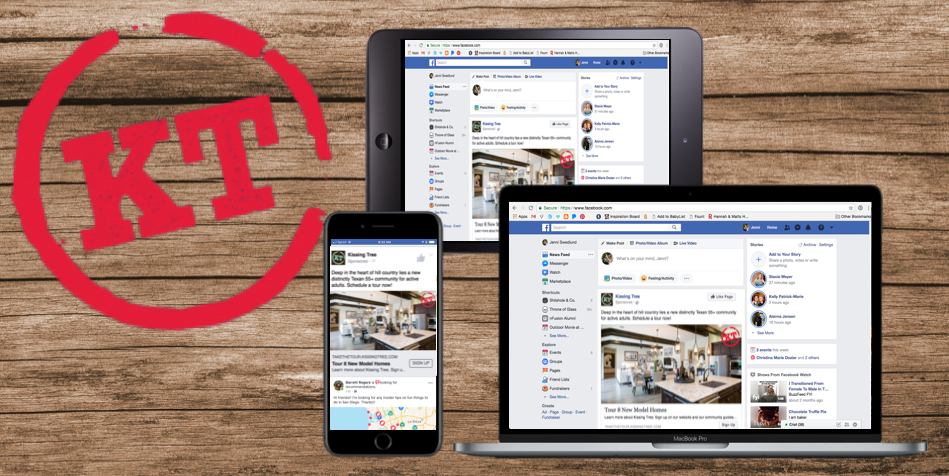
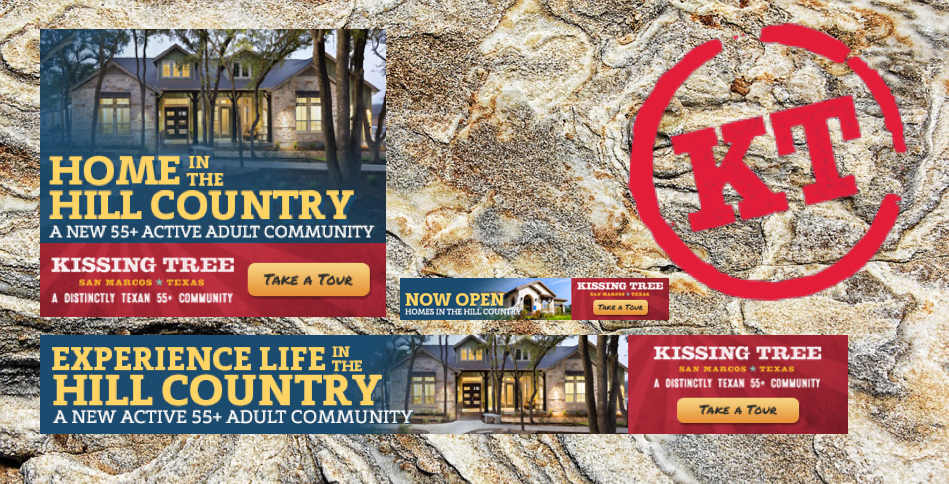
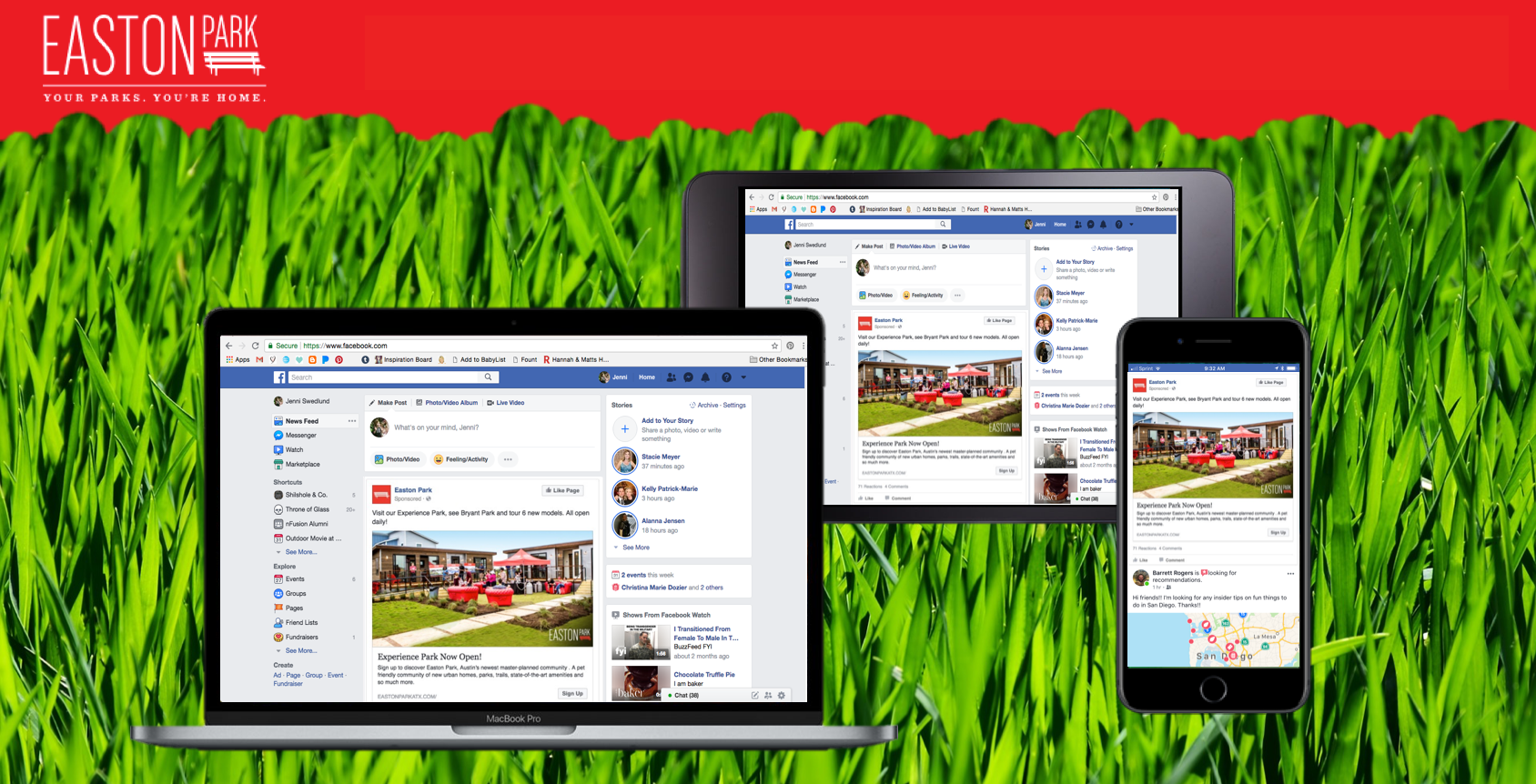
You generate qualified leads online by combining high-intent search visibility with targeted paid media and landing pages built for tour bookings. The primary channels are local SEO (capturing “custom home builder near me” and city-specific builder searches), Google Ads (reaching buyers actively searching for new construction), and paid social (building awareness and remarketing in target geographies through Meta and Instagram). Lead quality depends on what happens after the click. The form, the landing page, and the tracking that follows determine whether you get a name in a spreadsheet or a buyer who actually shows up to tour.
The channels matter, but so does the agency running them. This is why builders choose Neon Ambition.
"*" indicates required fields
Neon Ambition is an Austin-based digital marketing agency with deep experience in builder and developer marketing. We take a revenue-focused approach to every engagement, and every client gets reporting that connects marketing spend to real sales outcomes.
What you get:
How we work:
What we measure:
See how this plays out in practice. View Neon Ambition case studies and outcomes.
Request a Home Builder Marketing Audit.
We bring builder and developer experience, long-term client partnerships, and reporting that ties every campaign to your tour bookings and contracts. Our team has managed campaigns across multiple markets and knows how to adjust by community stage, whether you’re launching a new master-planned community or pushing remaining inventory in a closeout phase. Our tracking follows every lead from first click through your sales pipeline, so you always know what’s working and what needs to change.
Most agencies report on traffic and clicks. We report on tour bookings, appointment show rates, and cost per contract. That difference comes from builder-specific campaign experience and knowledge of housing ad restrictions on Meta and Google. We pair that with CRM integration that tracks attribution from first touch to contract. We plan campaigns by community stage rather than running a generic monthly retainer. And we’ve worked with enough builders to know that a “lead” only matters if the person actually shows up, tours the model, and moves forward.
The service mix is where it gets specific.







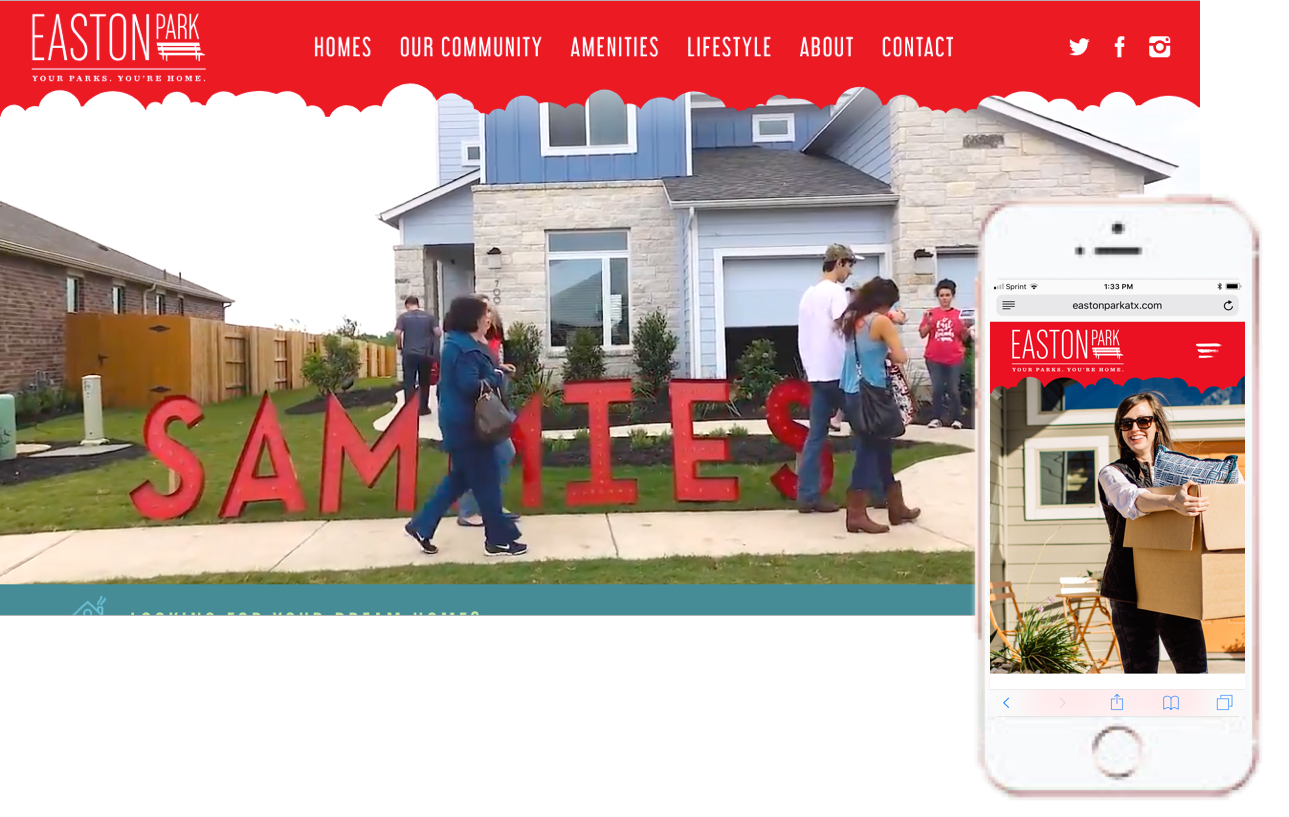
A grand opening launch needs heavy paid media and geo-targeted awareness. A steady-state community needs strong SEO and remarketing. A closeout needs urgency-driven conversion campaigns focused on remaining inventory. The right mix changes depending on where each community stands.
We optimize for the metrics that matter to your sales team: calls, form fills, tour bookings, appointment show rate, and cost per qualified lead.
You probably need all three. The weighting depends on your community stage, market competition, and how many leads your sales team can handle. PPC and paid social drive early lead flow for launches and grand openings when you need visibility fast. SEO compounds over time and captures the research-phase buyer who is months away from a decision but already narrowing their list. Remarketing keeps your communities visible through the long consideration cycle that defines home buying. Who you’re selling to matters too. First-time buyers respond differently than luxury or move-up buyers, so the mix should match.
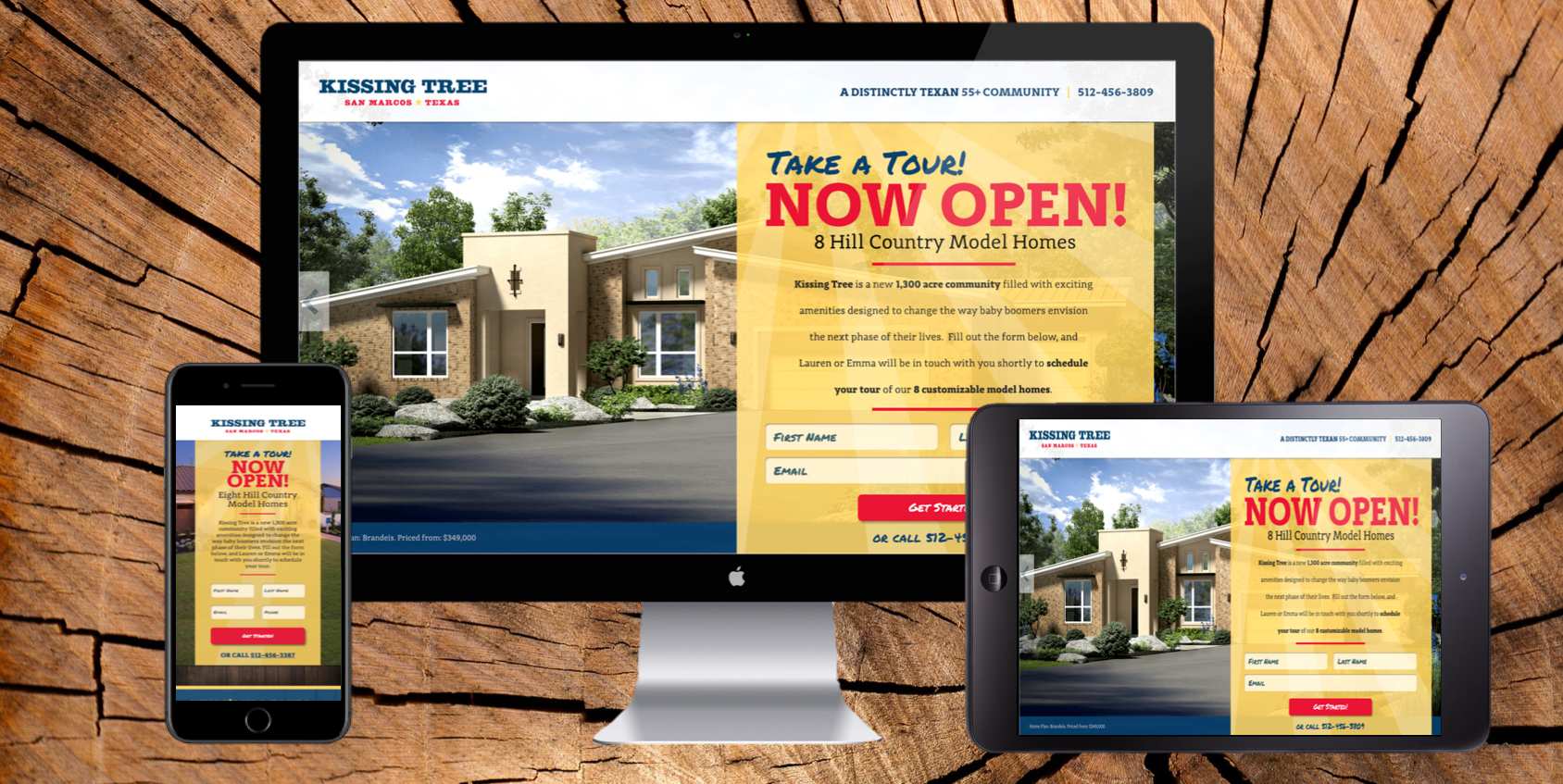
A community launch combines geo-targeted paid media, a dedicated landing page, and a lead capture flow designed to book model home tours. The paid strategy typically includes geofencing around competing communities and high-traffic areas. Meta and Google campaigns target buyer demographics within the service area, and retargeting keeps you in front of prospects who visited but didn’t convert. The landing page features floor plans, community amenities, pricing or starting-from ranges, and a short appointment form. Grand opening campaigns run on a compressed timeline. That requires rapid creative production, real-time bid and budget adjustments, and daily performance monitoring to make every dollar count during the launch window.
A high-converting builder landing page includes community-specific messaging, floor plan imagery or virtual tours, social proof from buyers, and a short form tied to tour booking or appointment scheduling. Professional photography or video of the model home is critical. Include pricing or starting-from ranges when possible, trust signals like warranties, builder credentials, and review ratings, and a clear call to action above the fold. Most home searches happen on phones. A slow or cluttered page loses buyers before they ever see the floor plans.
Building the right pages and campaigns is one half. The other half is a process that tracks every lead from first click to signed contract.
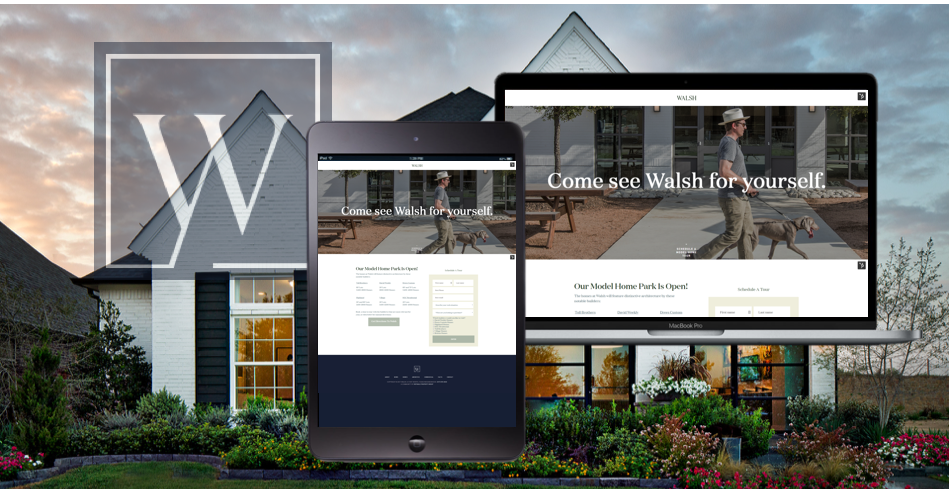
Every engagement follows a structured sequence: research and planning, campaign build and launch, tracking and optimization, and reporting tied to sales outcomes.
Compliance safeguards, including housing ad targeting restrictions and consent-based lead contact practices (TCPA, CAN-SPAM), are built into the process from step one. We don’t bolt compliance on after launch.
We track every lead from the ad click or organic visit through call tracking, form attribution, and CRM integration that follows the lead through the sales pipeline to contract. Dynamic number insertion captures phone calls and ties them to the source campaign. UTM-tagged forms feed lead data into your CRM, whether that’s HubSpot, Salesforce, Lasso, MarketSharp, or another platform. Reporting dashboards built in Looker Studio map cost per lead, cost per qualified lead, and cost per contract by channel and community. That tracking is why we optimize for contracts, not click-through rates.
If you run housing ads on Meta or Google, you face targeting restrictions under the Fair Housing Act and platform-specific policies. These rules limit the use of age, gender, ZIP code, and certain interest-based targeting in any campaign promoting residential real estate. We build your campaigns within these constraints from the start, using geo-radius targeting, contextual signals, and first-party data strategies to reach qualified buyers without violating platform policies outlined in the Meta Special Ad Category guidelines and Google’s housing-related personalized advertising policy. TCPA and CAN-SPAM rules apply to follow-up calls, texts, and emails. We build consent-based contact flows accordingly. We aren’t attorneys, and none of this is legal advice. It comes from running these campaigns for years.
We improve your lead quality by optimizing for downstream metrics like appointment show rate and cost per qualified lead, not just form fills. CRM feedback loops identify which lead sources produce buyers who actually tour and sign. That data reshapes targeting and bid strategy. Your budget moves toward what produces buyers. Landing page qualification questions filter low-intent inquiries before they reach your sales team, which means fewer wasted follow-up calls and a better experience for your salespeople. That also means defining response-time standards so your team contacts leads fast.
Getting the process and tracking right is essential. The next advantage is making sure your communities are visible in AI-driven search.
AI Overviews and AI Mode are changing how home buyers discover builders and communities in search. Google Search Central confirms that fundamental SEO best practices still apply, but content structure and authority signals now determine whether your communities get cited in AI-generated answers.
AI Search Readiness checklist:
AI search readiness translates directly to more qualified discovery traffic, stronger brand recall, and higher conversion efficiency when prospects arrive pre-educated by the AI-generated answers they read before clicking through to your site.
AI Overviews and AI Mode now surface summarized answers with linked sources at the top of search results. Buyers increasingly discover builders and communities through AI-generated responses before scrolling to traditional listings. This changes how you get found. Your community pages, floor plan content, and neighborhood guides need to be structured so AI systems can extract and cite them accurately. Buyers who arrive through AI-cited content tend to be further along in their research, which can improve conversion efficiency once they reach your site. If you don’t show up in those answers, you lose early-stage visibility to competitors who do.
AI systems cite content that is clearly structured, factually specific, and backed by authority signals. For your communities, that means writing answer-first paragraphs under question headings on community and service pages, including entity-rich details like city names, neighborhood references, school districts, and price ranges, and keeping community information consistent across Google Business Profile and third-party listing sites. Referencing authoritative affiliations like NAHB, local HBA membership, and warranty programs gives AI systems additional confidence when selecting sources.
Visibility in AI search is one part of the results picture. ROI comes down to what you measure and how often you see it.
Channel | Leading Indicators | Sales Indicators |
SEO | Organic traffic to community/floor plan pages, keyword rankings, GBP impressions | Tour requests from organic, cost per organic lead |
PPC/Search | Click-through rate, cost per click, impression share | Tour bookings from paid search, cost per qualified lead |
Paid Social | Reach, engagement rate, cost per lead | Appointment show rate from social leads, cost per qualified lead |
Overall | Total leads by source, website conversion rate | Cost per contract, sales velocity by community, ROI by channel |
Most builders see measurable organic visibility improvements within three to six months, with competitive markets and larger community portfolios taking longer. The timeline depends on starting site authority, the number of community and floor plan pages that need to be built, local competition, and whether the site requires technical remediation first. PPC and paid social can generate leads within weeks while SEO builds, which is why most builders benefit from running both simultaneously during the early months.
Investment scales with the number of active communities, the competitiveness of the markets you serve, and the mix of SEO, PPC, paid social, and content needed. A single-community custom builder needs a different budget than a multi-market production builder with 15 active communities. The right mix also depends on community stage. Launches require heavier paid spend than established communities already generating organic traffic. The best way to find out what your investment should look like is to start with a conversation.

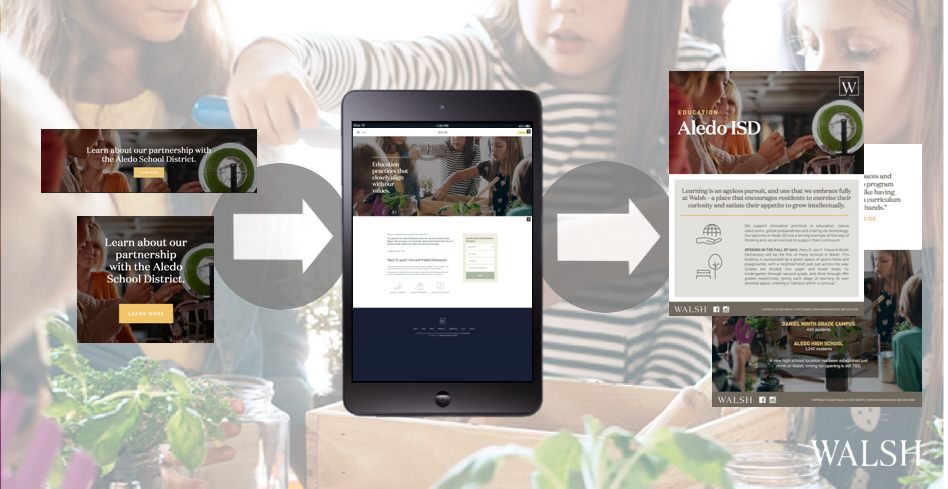




Neon Ambition is an Austin-based digital marketing agency that helps home builders and developers generate qualified leads, improve sales velocity, and prove ROI across every community stage. The first conversation covers your communities, markets, and goals. From there, we run a no-cost audit. You get a roadmap with priorities, recommended channels, and realistic budget and timeline guidance.
You can call, submit a form, or send your website and target markets by email. The initial review costs nothing and comes with no obligation.
Talk to a strategist today. Let’s build your pipeline.
"*" indicates required fields

"*" indicates required fields